How to Save Sequalitchew Creek
Sequalitchew Creek, flowing from Sequalitchew Lake through a series of marshes and through the city of Dupont, is under serious threat. With your help, here’s how we can take action to turn the tide
Help Us Appeal the Draining of Sequalitchew Creek
We are appealing the Dupont hearing examiner’s decision to conditionally approve the CalPortland Gravel Mine expansion. This decision would allow the mine to drain Sequalitchew Creek and the Vashon Aquifer, severely impacting surrounding wetlands and the sub-basins ability to sustain life. You can support the appeal by sharing and donating below, and keeping in touch to show up for key court dates.
The CalPortland Gravel Mine
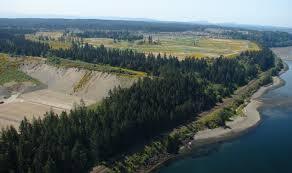
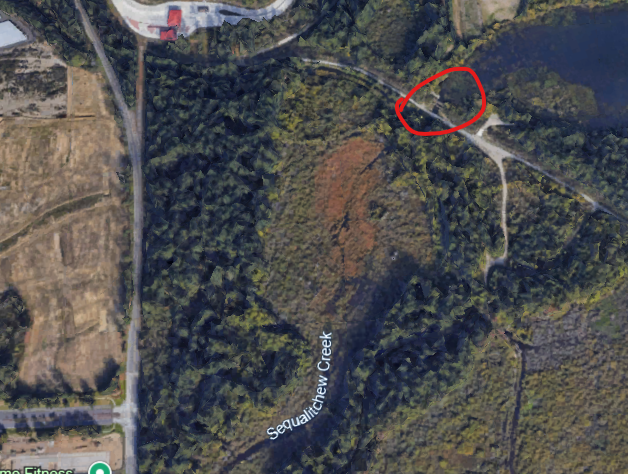
CalPortland, a company that operates a gravel mine north of Sequalitchew Creek has submitted plans to drain the Vashon Aquifer in a 2-mile radius while expanding their operation in the “South Parcel”, the last untouched forest along the creek. This plan will kill the nearby wetlands and all current flow in the creek. It needs to be stopped.
The hearing examiner for the city of Dupont issued a conditional approval for the mine expansion on June 18th. CCRA appealed the project on June 26th.
The City of Dupont relies on wells from the same aquifer to provide for its residents, wells that are already facing pressure from PFAS contamination and declining aquifer recharge. Draining this aquifer threatens the water supply for Dupont residents, and could potentially lead to the infiltration of saltwater from Puget Sound.
All the current flow to Sequalitchew Creek comes from groundwater seeps from the untouched south parcel, for hikers, this is the water that puddles over the trail. Historically, this cooler groundwater mixed with surface water from Sequalitchew Lake, creating the right conditions for salmon to spawn. There is no path to salmon recovery by draining the aquifer.
Break the Dams
Like many creeks, Sequalitchew is subject to several “de facto dams” that constrict the natural, healthy flow of the creek and block the passage of migrating fish. We believe in organizing to pressure our local government to take action to remove these dams. (Action pending, stay tuned)
BNSF Box Culvert
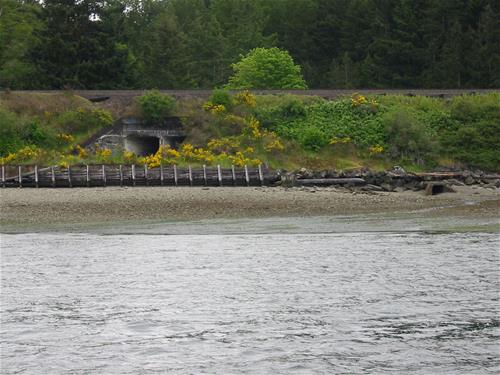
The Burlington Northern and Santa Fe Railroad company built a berm over the mouth of Sequalitchew Creek, with only a 5×5 box culvert at its mouth. Our state government recently spent millions to remove an 8×8 box culvert on Chico Creek, building a salmon-passable bridge. Shouldn’t one of the richest companies in the US have to do the same? It was a federal court ruling that mandated culvert replacements in our state, but BNSF has taken no action to fix this barrier.
Sequalitchew Creek historically fanned out into Puget Sound, creating important estuary habitat for young salmonids. In fact, the name Sequalitchew is a Nisqually term that means “big tide” or “long run out tide” in reference to the large mudflats created by the historic Sequalitchew estuary. With this berm and box culvert, it’s a shadow of its former self. We need a raised bridge that will allow the free flow of water.
The “Dupont West” Warehouse
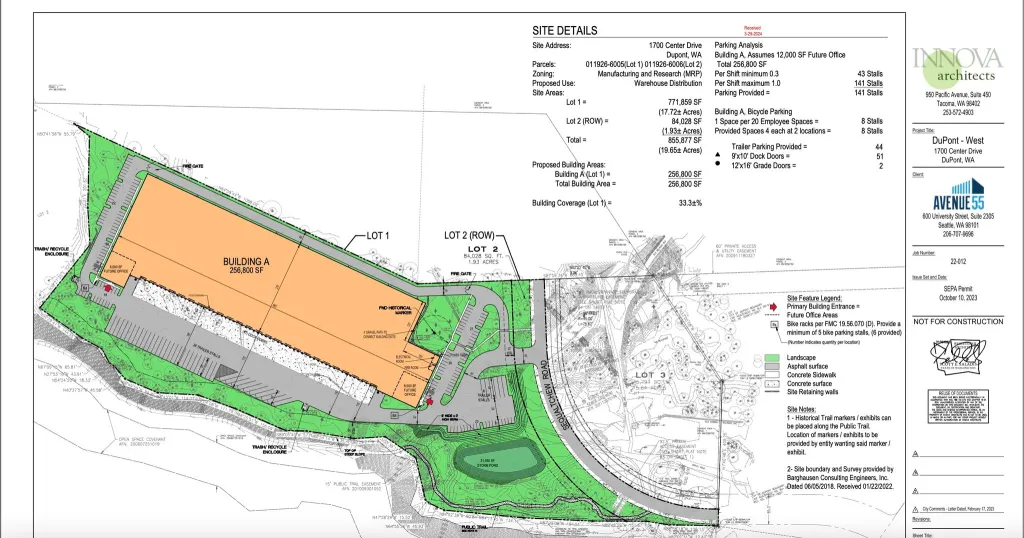
On a 19.5 acre forest overlapping Sequalitchew Trail between Dupont City Hall and the Creekside Apartments, a developer has cut down over 350 healthy trees, including over 50 protected landmark trees (some of which are older than the city of Dupont). With plans to build a 256,000 square foot warehouse, this project has destroyed a section of the Sequalitchew trail to bring noise, pollution, and lots of concrete to this peaceful area.
CCRA advocated against this project, and called on Dupont to purchase the property via eminent domain to retain the trailhead and woods for public use.
The Sequalitchew Lake Diversion
Sequalitchew Lake used to supply the majority of the flow to Sequalitchew Creek, but once Joint-Base Lewis McChord moved in things changed. After some years of the state spawning salmon in Sequalitchew Lake, the military constructed a large diversion canal that shuttles the majority of this water away from the creek and into Puget Sound. We need to return the water and allow fish to freely spawn in the lake once more.
Get Involved
Take Action / Volunteer
Amplify our impact—join us in breaking barriers, planting trees, and organizing on‑the‑ground restoration activities.
Donate Today
Fuel our work restoring the watershed and supporting salmon recovery with your donation.